Health and Safety Policy — Commercial Waste Removal Covent Garden
 Purpose: This health and safety policy sets out the standards and procedures for safe, compliant commercial waste removal and rubbish collection services across our service area. It applies to all employees, contractors and subcontractors engaged in commercial rubbish removal, waste collection and related site activities. The policy emphasises prevention, safe systems of work and the promotion of a safety-conscious culture.
Scope and Objectives
The policy covers operational tasks including waste handling, vehicle movements, manual handling, segregation of hazardous materials and correct use of equipment. Our objectives are to reduce incidents, protect staff and members of the public, and ensure consistent safe delivery of refuse and commercial waste removal services. We will continually assess risks and improve controls to maintain standards across the rubbish company service area.
Policy Commitments
We commit to providing adequate training, supervision and resources to manage health and safety risks associated with commercial waste removal. Managers must ensure that staff follow safe working practices for commercial rubbish removal, waste transfer and on-site collection tasks. Strong leadership and visible management commitment are fundamental to achieving our safety goals.Risk assessment is the foundation of our approach. All operations will be subject to documented risk assessments that consider vehicle movements, traffic management, manual handling, sharps, hazardous liquids and potential contamination risks. Assessments will be reviewed regularly and whenever work practices change, new equipment is introduced or incidents occur. Controls are selected based on hierarchy: elimination, substitution, engineering, administrative and finally personal protective equipment (PPE).
We maintain written safe systems of work and standard operating procedures for routine and non-routine tasks. Key elements include permit-to-work where appropriate, clear segregation of duties, and exclusion zones during loading and unloading. Supervisors will ensure that employees understand and follow these procedures; training records and competence evidence will be maintained for all staff involved in waste operations.
 Training and personal protective equipment are mandatory. Staff receive induction training for site rules, manual handling and safe lifting techniques, hazardous waste awareness, spill response and emergency procedures. PPE requirements include gloves, hi-vis clothing, suitable footwear, eye protection and respiratory protection when risk assessments indicate necessity. Routine checks of PPE and equipment are required before each shift.
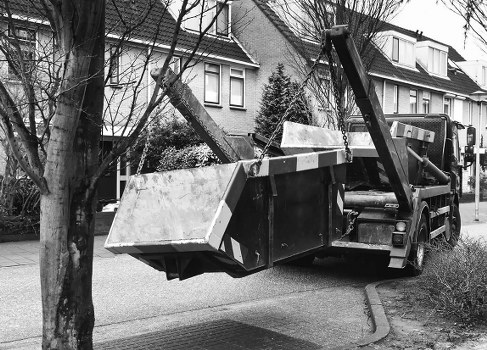
Vehicle safety and load securement are treated with particular importance. All collection vehicles must be inspected daily, maintained to manufacturer standards and driven by competent, licensed drivers. Procedures for safe loading and securement of waste are enforced to prevent shifting loads and spillage during transit. Route planning minimises unnecessary reversing and reduces interactions with pedestrians in busy commercial districts.
Hazardous waste and special wastes are segregated, packaged and labelled in accordance with applicable waste classification and carriage requirements. Staff must not accept or transport unknown, unlabelled or suspect hazardous materials without authorisation. Spill kits, containment measures and emergency response plans are available wherever hazardous materials are handled.
Monitoring, reporting and incident investigation form a continuous improvement loop. All accidents, near misses and environmental releases must be reported immediately, recorded and investigated to identify root causes. Corrective actions are prioritised and tracked to closure. Regular health and safety audits, toolbox talks and performance reviews are used to measure adherence to the policy and identify training or process gaps.
Contractor management is mandatory for third-party service providers who perform tasks within our operations. Contractors are required to demonstrate competence, provide method statements, carry out their own risk assessments and comply with our site rules. Pre-qualification, induction and supervision processes ensure that subcontracted teams meet the same safety standards as in-house personnel.
 Communication and employee involvement are central to effective safety management. We encourage open reporting, consultation with staff on risk controls and regular safety briefings. Safety representatives and designated managers work together to ensure policies are practical and that feedback leads to measurable improvements. Engagement helps build ownership of safe working practices across the rubbish removal workforce.
 Review and continuous improvement: this policy will be reviewed at least annually, or sooner after significant incidents, regulatory changes or operational updates. Management will set measurable safety targets, assess performance and allocate resources to meet those targets. The combination of robust risk assessment, training, supervision and monitoring aims to deliver a reliable, safe commercial waste removal service while protecting employees, clients and the public.
Responsibility and enforcement: All staff are responsible for complying with the policy. Managers have specific duties to implement and enforce it. Failure to observe safety procedures may result in disciplinary action. This policy supports safe, professional rubbish removal operations and reflects our commitment to high standards across the service area.
Signed and authorised for implementation by senior management.
