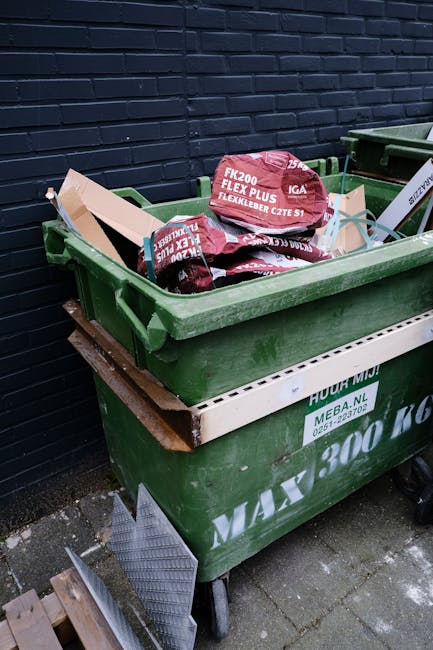
Floral Street skip alternative rubbish removal for shops: a practical guide for busy retailers
If you run a shop near Floral Street, you already know space is precious. A couple of broken display units, a stack of cardboard, an old fridge in the stock room, and suddenly the back of house feels like a bottleneck. That is where Floral Street skip alternative rubbish removal for shops comes in: a faster, tidier way to clear commercial waste without waiting around for a skip permit or sacrificing pavement space.
In simple terms, this is about shop-friendly waste removal that works around your opening hours, your customers, and the awkward realities of central London access. It can suit retailers, pop-ups, cafes with retail stock, salons, and small hospitality businesses that need waste gone properly, not just shifted out of sight. Below, we will look at how it works, when it makes sense, what to avoid, and how to choose the right approach for your premises.
- Why it matters
- How it works
- Key benefits and practical advantages
- Who this is for and when it makes sense
- Step-by-step guidance
- Expert tips for better results
- Common mistakes to avoid
- Tools, resources and recommendations
- Law, compliance, standards, or best practice
- Options, methods, or comparison table
- Case study or real-world example
- Practical checklist
- Conclusion
- Frequently asked questions
Why Floral Street skip alternative rubbish removal for shops Matters
Retail units around Floral Street often face the same problem: waste builds up in small bursts, but the space to deal with it is tiny. A standard skip can be awkward or simply impractical in a busy street where access is tight, footfall is constant, and every square metre matters. Even before you get to the messy stuff, you may be dealing with delivery windows, neighbours, and the obvious issue of keeping the frontage looking presentable.
That is why an alternative to a skip often makes better commercial sense. Instead of leaving a large container outside for hours or days, a waste team can collect rubbish directly from your shop, storeroom, basement, or loading point and take it away in one go. Less clutter, less waiting, less chance of causing friction with staff or customers. Truth be told, that alone can save a lot of stress.
There is also a practical trading angle. A neat shopfront matters. Customers do notice when bags, broken packaging, old shelving, or waste sacks are piled near the entrance. It can affect the way a space feels, and nobody wants their window display competing with a heap of cardboard. One little pile can somehow make the whole place feel behind on its feet.
For many shops, the right rubbish removal approach also helps with duty of care. Waste should be handled properly, sorted where possible, and removed by a provider that knows how to deal with commercial loads. If your rubbish includes bulky items, electricals, or confidential material, the choice becomes even more important. A service built around flexibility is often the calmest route.
How Floral Street skip alternative rubbish removal for shops Works
The basic process is straightforward. You book a collection, explain what needs removing, and arrange a time that fits your trading pattern. Depending on the size and type of waste, the team may collect from a back entrance, inside the premises, or from an agreed loading point nearby. For shop owners, that means less disruption than waiting for a skip to be delivered and filled over time.
In most cases, the workflow looks something like this:
- You describe the waste: packaging, old fixtures, display units, mixed rubbish, appliances, or furniture.
- The collection is scheduled for a suitable time, often early morning, between deliveries, or after close.
- The team arrives with the right vehicle and equipment to remove the waste safely.
- Items are loaded, sorted where practical, and taken away for appropriate processing.
- You get your space back quickly, without a skip sitting outside your premises.
That last point is the real win. Shops on or near Floral Street often cannot afford a bulky container lingering outside. A same-day or pre-arranged collection can keep the rhythm of the day intact. If you have ever tried moving stock around a stack of broken office chairs at 8:30 in the morning, you will know exactly why this matters.
A good commercial waste service should also be able to advise whether the load is general shop rubbish, bulky waste, specialist disposal, or something that needs separate handling. For example, a retail refit can involve a mix of cardboard, timber, metal fittings, and sometimes items that fall under different disposal rules. That is where a broader service such as business waste removal can be a sensible fit for ongoing shop needs, while a one-off clearance can deal with the immediate pile-up.
If you are preparing for a refurbishment or a bigger clear-out, some shops also pair this with builders waste clearance where the waste includes materials from fitting works, strip-outs, or shop improvements. Not everything is just "rubbish", annoying as that sounds. The type of waste really does shape the best method.
Key Benefits and Practical Advantages
The biggest advantage is flexibility. A skip is static. A collection service is not. That difference matters when your shop is open, your pavement space is limited, or you simply cannot have a large container sitting outside for a long stretch.
Here are the benefits that tend to matter most to shop owners:
- Less disruption to trade - collections can be timed around opening hours, deliveries, and customer flow.
- No skip sitting outside - useful where kerb space is tight or a permit would complicate matters.
- Quicker clear-downs - waste is removed in one visit rather than gradually filled over several days.
- Better presentation - your frontage and shop interior stay tidier.
- More suitable for mixed loads - especially if you have bulky, awkward, or varied items.
- Helpful for one-off projects - refits, stockroom clear-outs, closures, seasonal changes, and delivery packaging build-up.
There is also a subtle but important operational benefit: staff time. If your team is not spending half a shift dragging waste out to a skip or trying to stack boxes neatly around one, they can get back to serving customers. Small improvement, big effect. Retail work is full of small improvements.
Another point worth mentioning is recycling. Good waste removal is not just about making things disappear. Many shops want to know that cardboard, metal, timber, and reusable items are being separated where possible. If sustainability matters to your brand, a service with a clear recycling approach is worth prioritising. You can explore the company's approach through recycling and sustainability if that is one of your deciding factors.
For some premises, the right choice may also depend on what is being cleared. Old furniture, storage units, shop fittings, and appliances often need more than a standard rubbish bag solution. If your waste includes desks, counters, chairs, or display furniture, the related furniture clearance and furniture disposal pages are useful reference points for understanding how bulky items are typically handled.
Who This Is For and When It Makes Sense
This kind of skip alternative is especially useful for independent retailers, boutique stores, pharmacies, salons, fashion shops, gift shops, and small mixed-use premises. It is also a good fit for pop-up operators and landlords managing a changeover between tenants. If the waste is unpredictable, or if you need the area cleared quickly, it tends to beat the old-fashioned "leave a skip out and hope for the best" approach.
It may be the better option when:
- you have limited access or no safe place for a skip;
- you need rubbish removed outside trading hours;
- your waste is bulky, mixed, or difficult to sort on site;
- you are preparing for a fit-out, reopening, or stockroom reset;
- you want to avoid a long dwell time for waste on the street;
- your team needs the space back fast.
It is worth saying, too, that some shops do not need a large clearance at all. A few sacks, some packaging, and a couple of broken fittings may be enough to justify a same-day collection rather than a skip. By contrast, a larger refit might call for a more structured plan and possibly a combination of services.
For example, if a shop also has office space upstairs or a back-office with paperwork and equipment, it may make sense to pair the waste removal with an office clearance. If confidential papers are involved, confidential shredding can help you handle that side properly without mixing it into general rubbish. Small things, but they matter.
Step-by-Step Guidance
If you are considering Floral Street skip alternative rubbish removal for shops, the easiest way to avoid headaches is to plan the job in layers. A little preparation usually saves a lot of back-and-forth later.
1) Identify exactly what needs removing
Start with a quick walk-through of the shop, stockroom, cellar, or rear storage area. Note bulky items, sacks, cardboard, mixed rubbish, electrical items, and anything potentially hazardous. If you are not sure what counts as hazardous, err on the cautious side and ask before the collection is booked. That is just sensible.
2) Separate anything special
Keep general waste apart from items that need separate handling. Appliances, fridges, and certain electricals should not be lumped in with mixed rubbish. If a fridge has been sitting in a warm storeroom, you probably do not need anyone to tell you it will not be the most pleasant item to deal with. Related services like fridge and appliance removal exist for a reason.
3) Choose the right collection window
For shops, timing is everything. Early morning before opening, a quieter midweek slot, or just after close can make the whole process smoother. If your street gets busy fast, do not leave it to chance. Better to schedule around the natural lull than try to squeeze waste removal into the middle of the rush.
4) Make the access route clear
Check where the crew will enter, what they will lift, and whether the path is free of trip hazards. A clear walkway, open back door, and a sensible stacking area all help. You want the job to feel efficient, not like a puzzle designed by a grumpy shopfitter.
5) Confirm loading and disposal details
Make sure you know whether the service includes loading from inside, whether heavy items need special handling, and how the waste will be processed. If the provider can explain this clearly, that is usually a good sign. If they sound vague, it is worth pressing for detail.
6) Keep records if you need them
Commercial premises often benefit from keeping a simple record of what was removed, when, and by whom. It helps with internal audits, tenancy handovers, and general good housekeeping. Nothing fancy. Just enough to be useful later.
Expert Tips for Better Results
After many shop clearances, a few patterns become obvious. The jobs that go smoothly are rarely the ones where people simply "wing it". They are the ones with a bit of forethought.
- Sort as you go - cardboard, metal, timber, and general waste are easier to manage when they are not all piled together.
- Break down bulky packaging early - flat-packed cardboard saves surprising amounts of space.
- Label anything uncertain - if a box contains mixed items, mark it before the crew arrives.
- Use off-peak collection times - this reduces disruption and keeps the shop looking professional.
- Think about repeat waste - if your shop generates regular cardboard or packaging waste, a standing commercial waste arrangement may work better than occasional ad hoc removals.
One practical tip that often gets overlooked: keep a small "clearance zone" near the back or side access point. It does not need to be huge. Even a couple of square metres can stop the whole operation from feeling chaotic. You will notice the difference immediately on the day.
If your business has ongoing waste needs, it can also help to review wider disposal arrangements rather than treating every clearance as a one-off emergency. A regular waste removal plan is often more efficient for shops than reacting only when the back room is overflowing.
Common Mistakes to Avoid
A lot of waste-related problems in shops come from the same handful of mistakes. They are easy to make, especially when you are busy and trying to keep customers happy. Still, they are avoidable.
- Booking too late - if you leave it until the stockroom is already jammed, access becomes harder and the job takes longer.
- Mixing restricted items with general rubbish - this can create delays and may mean separate disposal is needed.
- Forgetting about opening hours - a collection during the lunch rush can be more disruptive than the waste itself.
- Assuming everything can go in one load - that is not always the case, especially for appliances or anything classed as hazardous.
- Not measuring bulky items - if a counter or display unit is too large for the route out, that is a problem best spotted before the crew arrives.
There is also the classic mistake of underestimating how much room packaging takes up. Cardboard boxes are light, but they seem to multiply overnight. A Thursday delivery and a Friday clearance can suddenly become a small mountain. Funny how that happens.
Another common issue is failing to check whether old stock, fixtures, or store furniture can be reused elsewhere. Sometimes a rapid removal is the right answer. Sometimes a little sorting first saves money and waste. It depends on the item and the pace of your operation.
Tools, Resources and Recommendations
You do not need a warehouse full of equipment to handle shop rubbish well. A few simple tools make a big difference.
- Heavy-duty bags and sacks for mixed lightweight waste.
- Box cutters and tape for breaking down cardboard safely.
- Labels or marker pens to identify contents quickly.
- Gloves and basic PPE for staff moving waste before collection.
- A simple inventory list if you are clearing fixtures, stockroom items, or office material.
For shop owners who want a more structured approach, the best starting point is usually to compare how much waste you generate, how often it appears, and what type it is. If it is mostly commercial bagged waste, a repeat arrangement may be enough. If it is bulky or one-off, a targeted clearance makes more sense.
It can also help to read up on what may and may not be suitable for a skip, even if you are planning to use an alternative. The page on what can go in a skip is useful for understanding how waste is typically grouped and why certain items need different treatment. That background makes decision-making easier, even if you never actually place a skip on the pavement.
If you are comparing costs or planning a bigger clearance, the pages on pricing and quotes and book online can be helpful starting points when you are ready to move from planning to action.
Law, Compliance, Standards, or Best Practice
For shops, waste handling is not just a tidiness issue. It is part of basic business responsibility. In the UK, commercial premises are expected to manage waste properly, keep it under control, and use appropriate disposal routes. The details can vary by waste type, so it is sensible to be careful rather than casual.
Best practice usually includes the following:
- using a reputable waste carrier for commercial rubbish;
- keeping waste segregated where practical;
- storing it safely so it does not create a trip, fire, or pest issue;
- handling electricals, fridges, or special items separately;
- keeping records where your business process or lease requires it.
If your shop handles customer records, staff files, or tenant paperwork, that adds another layer. Confidential material should not be left to chance. That is where secure handling such as confidential shredding becomes relevant.
Health and safety also matters in very ordinary ways. Heavy lifting, cluttered walkways, broken packaging straps, sharp edges from dismantled fittings - all of these can cause problems if the job is rushed. A service with a clear health and safety policy and good insurance and safety practices offers more reassurance than one that just promises to "turn up and sort it".
If compliance is especially important because your shop is being handed over, refurbished, or audited, it is wise to keep the paperwork tidy and the waste categories clear. That is not overkill. It is just good commercial housekeeping.
Options, Methods, or Comparison Table
Different waste situations call for different approaches. A comparison helps make that a bit less fuzzy.
| Method | Best for | Pros | Watch-outs |
|---|---|---|---|
| Skip hire | Larger, longer projects with plenty of space | Good for sustained loading, simple for some refurb jobs | Needs space, may require a permit, can affect shop frontage |
| Man and van rubbish removal | Shop clearances, mixed waste, quick turnaround | Flexible, fast, often better for tight access | May not suit very large volumes unless planned carefully |
| Scheduled business waste removal | Regular trade waste and packaging | Predictable, tidy, suited to ongoing operations | Less ideal for one-off bulky clearances |
| Specialist item removal | Appliances, hazardous items, office contents | Safer for specific waste streams | Needs correct categorisation and timing |
For many Floral Street shops, the sweet spot is a flexible collection rather than a fixed container. It keeps the street clear and the operation moving. If the waste is mostly furniture or fixtures, a dedicated clearance approach is often more efficient than trying to make everything fit one generic model.
Case Study or Real-World Example
Picture a small boutique preparing for a window refresh and stock rotation after a busy weekend. By Monday morning, there are broken cardboard boxes, a couple of worn display shelves, some old hangers, packaging from new stock, and a damaged storage cabinet that nobody has wanted to deal with for weeks. The shop is still open, so the team cannot let the mess sit there all day.
Instead of hiring a skip that would take up valuable street space, they arrange a collection for early morning before customers arrive. Staff gather the waste into one area, separate out the obvious cardboard, and flag a small pile of mixed items for review. The removal crew arrives, loads everything quickly, and the shop is back to normal before the first coffee run of the day. The room feels lighter straight away. Less noise, less clutter, less "we'll sort that later".
That kind of example is common in retail. It is not glamorous, but it is real. And in a shop environment, real convenience often matters more than theoretical neatness. A simple clearance can make the difference between a frazzled start and a calm, workable morning.
Practical Checklist
Use this checklist before arranging a shop waste collection near Floral Street:
- List everything that needs removing.
- Separate general rubbish from appliances, electronics, and any special waste.
- Break down cardboard and light packaging.
- Measure bulky items and check access routes.
- Choose a collection time that does not clash with trading peaks.
- Clear pathways, steps, and rear access points.
- Keep anything confidential or sensitive apart from general waste.
- Confirm whether the job is a one-off clearance or part of ongoing business waste management.
- Ask about recycling and disposal handling if sustainability matters to your shop.
- Keep a note of the collection for your records.
If you can tick most of those off, the collection is usually far smoother. Simple, really. Not always easy, but simple.
Conclusion
For shops near Floral Street, the best rubbish solution is often the one that respects your space, your schedule, and the realities of trading in central London. That is why Floral Street skip alternative rubbish removal for shops has become such a practical choice. It is flexible, less disruptive, and often better suited to mixed commercial waste than a traditional skip.
Whether you are clearing cardboard after a delivery surge, removing old fixtures before a refit, or resetting your stockroom for a cleaner week ahead, the right approach should make the job feel lighter. Not perfect. Just easier. And sometimes that is exactly what a busy shop needs.
Take the time to plan the waste, separate anything special, and choose a collection window that works for your team. Do that, and the whole process becomes much less of a headache.
Get a free quote today and see how much you can save.
When the clutter is gone and the floor is clear again, it is easier to breathe, easier to trade, and easier to keep things moving the way they should.
Frequently Asked Questions
What is Floral Street skip alternative rubbish removal for shops?
It is a shop-friendly rubbish collection approach that removes commercial waste without relying on a skip sitting outside your premises. It is often better for tight access, busy streets, and quick clearances.
Why would a shop choose an alternative to a skip?
Most shops choose it because they want less disruption, no skip on the pavement, and a faster turnaround. In a busy retail area, that can be a real advantage.
Can I use this for mixed retail waste?
Yes, mixed retail waste is one of the most common reasons people use this type of service. It can handle cardboard, packaging, old fixtures, and general shop rubbish, provided any restricted items are separated properly.
Is it suitable for shop refits and clear-outs?
Yes. It works well for refits, seasonal changes, stockroom resets, and end-of-lease clearances. For bigger renovation jobs, it may be combined with other clearance services depending on the waste type.
Do I need to sort the rubbish before collection?
A basic sort helps a lot. Cardboard, appliances, confidential material, and any hazardous items should be separated before the crew arrives. That makes the collection safer and usually more efficient.
Can the team collect waste from inside the shop?
Often, yes, if access is safe and agreed in advance. That is one of the main reasons shop owners prefer this route over a skip.
What kind of items should not be mixed with general rubbish?
Appliances, fridges, hazardous waste, and confidential paperwork should be handled separately. If you are unsure about an item, ask before the collection is booked.
Is this better than skip hire for small shops?
For many small shops, yes. If space is tight or you cannot have a container outside for long, a collection-based service is often the more practical choice.
How do I prepare my shop for a collection?
Clear access routes, stack waste in one area, break down cardboard, and keep anything special separate. A little preparation can save time and avoid last-minute problems.
Can this help with regular business waste too?
Absolutely. If your shop generates ongoing waste, a regular commercial arrangement may be more efficient than arranging one-off clearances each time the bins overflow.
What if my shop has office paperwork as well?
Then it is worth keeping paperwork separate and considering secure handling for confidential material. A combined shop-and-office setup often needs a slightly more careful plan.
How do I know which service is right for my waste?
The easiest way is to look at volume, access, and waste type. If you have bulky mixed items, a flexible clearance is usually best. If you mainly have recurring trade waste, a regular business waste solution may make more sense.