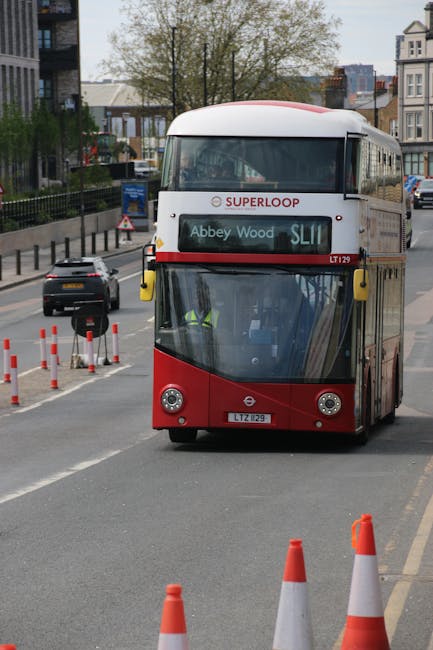
Drury Lane summer 2026 rubbish removal for West End events
Summer in the West End has a rhythm of its own. Doors open earlier, loading bays get busy faster, and by late evening the pavements around Drury Lane can feel like a balancing act of crates, packaging, broken fittings, event debris, and the odd last-minute panic. If you are organising Drury Lane summer 2026 rubbish removal for West End events, you are not just booking a collection. You are planning around theatre timings, tight access, neighbouring businesses, and the simple fact that the area rarely slows down.
This guide breaks down how rubbish removal works in practice, what event teams usually need, and where the common headaches appear. You will also find a checklist, a comparison table, and a few real-world pointers that can save a lot of time. Truth be told, the clean-up often matters as much as the event itself.
Table of Contents
- Why Drury Lane summer 2026 rubbish removal for West End events Matters
- How Drury Lane summer 2026 rubbish removal for West End events Works
- Key Benefits and Practical Advantages
- Who This Is For and When It Makes Sense
- Step-by-Step Guidance
- Expert Tips for Better Results
- Common Mistakes to Avoid
- Tools, Resources and Recommendations
- Law, Compliance, Standards, or Best Practice
- Options, Methods, or Comparison Table
- Case Study or Real-World Example
- Practical Checklist
- Conclusion
- Frequently Asked Questions
Why Drury Lane summer 2026 rubbish removal for West End events Matters
Drury Lane sits in one of the busiest parts of central London, and summer only amplifies the pressure. Visitor numbers rise, hospitality venues are fuller, and event calendars become more crowded. That means any rubbish left sitting too long can become a visible problem fast. In a place where footfall, image, and movement all matter, waste control is not a back-office detail. It is part of the event experience.
For West End events, rubbish removal does three jobs at once. First, it keeps the venue and surrounding routes tidy. Second, it reduces fire risk, trip hazards, and pest issues. Third, it helps your team work without that nagging background chaos that always seems to appear when bin bags are stacking up near a rear entrance. A lot of organisers notice this only when things start slipping. Better to plan ahead, to be fair.
There is also the reputational side. A polished event can still look disorganised if delivery packaging is left on the street or the service yard is overflowing. Guests may not know the waste plan, but they will notice the result. That small visual detail can shape how people remember the whole night.
If your event setup involves furniture, staging, props, old stock, damaged items, or end-of-night mixed waste, a general clear-out service such as waste removal can often be the simplest starting point. For larger venue refreshes, you might also need support from builders waste clearance if there is any temporary fit-out, repair, or install work involved.
How Drury Lane summer 2026 rubbish removal for West End events Works
In practice, event rubbish removal in Drury Lane is usually built around timing, access, and separation. The cleaner the plan, the less disruption there is on the day. Most teams start by identifying what waste is likely to appear: packaging, disposable service items, promotional materials, damaged stock, cardboard, drinks waste, broken furniture, or leftover event dressing.
Next comes the access question. West End streets do not always offer generous loading time, so collections often need to be slotted around venue windows, supplier arrivals, and theatre changeovers. A collection that looks simple on paper can become fiddly very quickly if the wrong vehicle arrives at the wrong time. Have you ever watched a team try to move two dozen rubbish sacks while a delivery van is reversing behind them? Not ideal. Not even close.
The removal itself should be straightforward when the process is organised well. Waste is loaded, sorted where possible, and taken away for appropriate disposal or recycling. Good operators will also be clear about what they can and cannot take. If your event generates appliances, for example, fridge and appliance removal may be needed separately. If there are confidential documents from guest registration or event admin, confidential shredding is the safer route.
For venues with mixed waste streams, it often helps to think in layers: general rubbish, recyclable cardboard and packaging, bulky items, and anything specialist. That simple structure keeps the whole job moving and reduces mistakes later on.
Key Benefits and Practical Advantages
When rubbish removal is well planned, the benefits are immediate and practical rather than abstract. The venue feels calmer. Staff waste less time on improvising. And the end-of-night clear-down becomes far less painful than it otherwise would be.
- Cleaner guest-facing areas: Bin overflow near entrances or service corridors can be avoided.
- Faster turnaround: The venue can be reset for the next performance, dinner service, or event slot more quickly.
- Better safety: Removing packaging, broken materials, and loose waste helps reduce slips, trips, and blocked exits.
- Less pressure on staff: Your team can focus on guests and operations instead of chasing bin capacity.
- Improved recycling outcomes: Clear separation of cardboard, metal, wood, and general waste often makes recycling easier.
- Reduced local disruption: Better timing means fewer complaints from neighbours, passers-by, or nearby businesses.
There is also a quieter benefit: control. Once you know waste is being handled properly, the rest of the event tends to feel more manageable. That sounds small, but anyone who has run a summer activation or venue changeover knows how much mental bandwidth that saves.
If your event involves furniture swaps, dressing-room items, or temporary seating, it may be useful to look at furniture clearance or furniture disposal alongside general rubbish removal. For softer items like sofas, staging lounge pieces, or hospitality seating, mattress and sofa disposal can also be relevant depending on the load.
Who This Is For and When It Makes Sense
This kind of waste service is not just for big productions. It makes sense for a wide range of West End event setups, and summer 2026 is likely to bring the usual mix of shows, previews, private functions, hospitality launches, and temporary installations.
You may need it if you are:
- a theatre or venue manager preparing for seasonal programme changes
- an event producer managing build-up and breakdown around Drury Lane
- a hospitality operator with pop-up activity, terrace changes, or special menus
- a retail or brand team hosting a promotion, launch, or in-store event
- a facilities or operations lead responsible for keeping service areas clear
- a contractor completing a temporary fit-out or light refurbishment
It also makes sense when waste starts affecting pace. If your staff are spending too much time moving rubbish around, or if collections are becoming too ad hoc, the system has probably outgrown a simple bin solution. That is usually the moment to bring in a more organised clearance plan.
For broader business-related waste patterns, business waste removal is often a better fit than one-off ad hoc disposal. And if the event is part of a wider workspace tidy-up, office clearance may be useful for back-office or admin areas that need clearing before the season starts.
Step-by-Step Guidance
If you want the clean-up to run smoothly, work through the process in order. Rushing the setup is where things usually go sideways.
- Identify the waste types. List what is likely to be produced: general rubbish, cardboard, broken props, packaging, furniture, appliance waste, and specialist items.
- Map the access points. Note loading bays, rear entrances, time windows, stair access, lift limits, and any narrow passages.
- Match the collection to the event schedule. Decide whether you need pre-event clearance, same-day support, or an end-of-night collection.
- Separate recyclable items early. Cardboard, clean timber, metal, and some plastics are easier to manage when kept apart from mixed waste.
- Confirm restricted items. If your waste may include appliances, hazardous materials, or confidential papers, plan those streams separately.
- Book with a clear scope. Be explicit about volume, access, and timing. In busy areas, vague instructions tend to create avoidable friction.
- Set a final sweep. Before the site is handed back, do a last check for stray tape, packaging, or forgotten bins behind counters and in alcoves.
A practical tip: if you are doing a long summer run, do not wait until the last week to test your waste flow. Run one early dry pass. See how quickly bins fill, where staff naturally drop items, and whether your sorting system actually works under pressure. You will learn a lot in one busy service, usually more than from three planning meetings.
Expert Tips for Better Results
Most waste problems are not dramatic. They are small, cumulative, and annoyingly predictable. The good news is that a few simple habits can make a real difference.
- Label waste points clearly. If a team member has to guess where cardboard goes, it will probably end up in the wrong place.
- Keep bags and containers consistent. Mixed sizes create awkward handling and wasted space.
- Build in spare capacity. Summer events generate more waste than people expect, especially when guests stay longer or weather changes the plan.
- Use one person as waste lead. Not a glamorous role, granted, but someone needs to know the collection window and disposal rules.
- Protect walkways. Clear paths make collections faster and safer, especially during peak traffic.
- Think about the final hour. That is often when waste spikes. Drinks service ends, decor comes down, and everyone suddenly remembers the back area.
One of the best things you can do is keep recycling simple. If your staff need a five-minute explanation every time they throw something away, the system is too complicated. Simplicity wins, especially in a live event setting where nobody has spare brain space.
Common Mistakes to Avoid
It is easy to assume waste removal will sort itself out once the event starts. Usually, that assumption causes the mess. The most common mistakes are not dramatic, but they do add up.
- Leaving waste planning too late. Drury Lane access can be tight, and good time slots go quickly in busy months.
- Mixing specialist waste with general rubbish. This can create delays and may limit what can be collected together.
- Underestimating volume. Packaging from suppliers alone can fill more space than expected.
- Ignoring back-of-house clutter. A tidy public area with a chaotic service corridor is still a problem.
- Forgetting exit routes. Waste left near fire doors, stairwells, or narrow gangways is asking for trouble.
- Assuming every item is straightforward. Some waste needs separate handling, and trying to force it into one pile usually backfires.
A small but important one: do not let collections happen in a way that blocks the next part of the event flow. If the rubbish team and the bar team are trying to use the same narrow strip at once, everybody slows down. Slightly chaotic, slightly stressful, and entirely avoidable.
Tools, Resources and Recommendations
You do not need a complicated toolkit to manage event waste well. What helps most is a clear system and a few practical aids.
| Need | Useful option | Why it helps |
|---|---|---|
| General event waste | General waste removal | Good for mixed rubbish, packaging, and end-of-event clear-downs |
| Office or admin areas | Office clearance | Useful for back-office tidy-ups, storage rooms, and event admin spaces |
| Large bulky items | Furniture clearance | Handy for temporary seating, display items, and worn event furniture |
| Broken fixtures or light works | Builders waste clearance | Appropriate for event build, strip-out, or small refit debris |
| Special items | Hazardous waste disposal | Safer for anything that should not go in normal mixed waste |
Other practical resources worth keeping in mind include a simple room-by-room waste map, a labelled bin station, and a shared event log that records when collections were made. Nothing fancy. Just enough structure to stop decisions being made at random at 11:40 p.m. when everyone is tired and the street is still full of people.
If you want to understand what can be placed into mixed loads, the guide on what can go in a skip can be a helpful reference point, even if you are not using a skip on the day. It gives you a better feel for common separation rules and what tends to need special handling.
Law, Compliance, Standards, or Best Practice
For event waste in London, compliance is mostly about doing the basics properly and not taking chances with items that need special handling. You do not need to turn the operation into a legal seminar, but you do need a sensible process.
In general, organisers should use properly authorised waste carriers, keep records of collections where appropriate, and make sure waste is transferred and handled responsibly. If there is any hazardous material, electrical equipment, or confidential paper involved, those streams should be identified early rather than left to chance. That is not overcautious; it is just good practice.
Health and safety matters too. Waste bags stored in busy service routes can create slips and block access. Broken packaging, splinters from temporary timber, and loose cable ties are all small hazards that become annoyingly real once the public is moving through the space. For that reason, it helps to align your collection plan with your venue's health and safety policy and, where relevant, your internal risk assessment process.
Insurance and handling standards also matter. If contractors are working in tight access areas, moving heavy or awkward waste, or handling bulky items through shared spaces, make sure you are clear on responsibilities before the day. A little clarity upfront saves a lot of awkwardness later. For peace of mind, some organisers also review the operator's insurance and safety information before booking.
If you are dealing with items that may be sensitive or regulated, such as batteries, fluids, fridges, or cleaning chemicals, do not mix them into general event rubbish. If you are unsure, treat them separately and ask before collection. That cautious approach is usually the right one.
Options, Methods, or Comparison Table
There is more than one way to handle event rubbish, and the best choice depends on access, volume, and timing. Here is a plain-English comparison.
| Method | Best for | Strengths | Watch-outs |
|---|---|---|---|
| Ad hoc bin emptying | Very small events | Simple and low effort at first | Can fail quickly if guest numbers rise or deliveries increase |
| Scheduled collection | Most West End events | Predictable, tidy, easier to coordinate with the venue | Requires good timing and accurate volume estimates |
| One-off clearance | Post-event resets, strip-outs, seasonal changes | Fast and flexible for bulky or mixed loads | Less suitable if waste is being created continuously all day |
| Targeted specialist removal | Appliances, furniture, confidential or hazardous items | Safer and more compliant for specific waste streams | Needs clearer planning and may involve multiple collection types |
For many venues, the best answer is a combination. A scheduled collection for day-to-day rubbish, plus separate support for bulky or specialist items. That tends to be the sweet spot. Clean, practical, not overcomplicated.
Case Study or Real-World Example
Imagine a summer event programme near Drury Lane with a week of evening functions, light set dressing, and daily guest turnover. The team starts with a tidy basement store, a few service bins, and a small back-of-house area. By day three, cardboard from supplier deliveries, worn display items, tape, broken packaging, and leftover promotional materials are already stacking up.
The first issue is volume. The second is access. A narrow service route means waste cannot just be left wherever there is space. The venue manager assigns one person to monitor waste points, marks a separate cardboard area, and books removal windows for after the main guest arrival period. That alone reduces pressure hugely.
Midweek, two old chairs and a damaged storage unit need to go. Rather than stuffing them into general waste, the team arranges a small furniture pickup. At the same time, a box of confidential guest paperwork is flagged for shredding instead of being tossed into a regular bag. Nothing dramatic happened, but a few smart decisions stopped the whole site from looking messy.
By the final night, the clean-down is quick because the waste has been managed consistently all week. No last-minute mountain of rubbish. No awkward pile in the corner. Just a controlled reset and a much easier handover the next morning. That is the sort of result people remember, even if they never say it out loud.
Practical Checklist
Use this before the event, and again at the end of the night if needed.
- Confirm event dates, build dates, and breakdown windows
- Map access points, loading restrictions, and narrow routes
- List all expected waste streams, including bulky items
- Separate general waste from cardboard and recyclable packaging
- Identify any appliances, confidential paperwork, or hazardous items
- Check where waste will be stored before collection
- Make sure bins, bags, and containers are clearly labelled
- Assign one person to oversee waste coordination
- Keep walkways, exits, and service corridors clear
- Book collections early enough to suit the summer schedule
- Review final sweep and handover needs after breakdown
Quick summary: if you plan access, timing, and waste separation properly, Drury Lane summer 2026 rubbish removal for West End events becomes a manageable part of operations rather than a daily stress point. That is the real win.
If you are lining up summer operations now, it is worth getting your waste plan sorted before the diary fills up. A clear collection schedule, the right service type, and a tidy handover can make the whole season run better from the first build day to the final strike.
Get a free quote today and see how much you can save.
Conclusion
Drury Lane is not a place where waste can be handled casually. The pace is too high, the access too tight, and the visual standards too important. For summer 2026 West End events, rubbish removal works best when it is planned as part of the event operation rather than treated as an afterthought.
The good news is that the process does not need to be complicated. Identify the waste, match the timing, keep access clear, and use the right disposal route for each type of material. Do that, and the clean-up becomes predictable. Even calm, if things go well.
And honestly, that is what most event teams want most: fewer surprises, fewer bottlenecks, and a space that feels ready for the next guest before the first one has even left.
Frequently Asked Questions
What does Drury Lane summer 2026 rubbish removal for West End events usually include?
It usually covers mixed event waste such as packaging, general rubbish, cardboard, broken props, light fixtures, and bulky items from temporary setups. If special items are involved, they may need separate handling.
Can rubbish be collected during live event hours in the West End?
Sometimes, yes, but it depends on access, traffic, venue layout, and how disruptive the collection would be. Many organisers prefer earlier or later windows to keep guest movement smooth.
How far in advance should I plan waste removal for a Drury Lane event?
As early as possible. Summer schedules fill quickly, especially in central London, and good planning makes access and timing much easier. Last-minute bookings can work, but they usually create more pressure than they should.
What if my event produces a mix of furniture, packaging, and general rubbish?
That is common. In that case, it often helps to separate bulky items from mixed rubbish and arrange furniture support alongside general waste removal. The cleaner the separation, the smoother the collection.
Do I need a specialist service for appliances or fridges?
Yes, those items are usually treated differently from general waste. If your event or venue clear-down includes them, fridge and appliance removal is the safer option.
Is recycling realistic for busy West End events?
Yes, often more than people expect. Cardboard, clean packaging, and some rigid materials can usually be separated if staff know where they belong. A simple sorting system makes a big difference.
What is the biggest mistake event teams make with rubbish removal?
The biggest mistake is leaving it too late. Once the event starts, waste volumes rise quickly and access gets tighter. Planning the waste flow before the first delivery arrives is much easier than trying to fix it later.
Can confidential paperwork be thrown in with event rubbish?
No, it is better to keep it separate and arrange secure disposal. For that kind of material, confidential shredding is the more appropriate route.
What should I do with bulky furniture after an event?
If the items are no longer needed, use a dedicated furniture clearance or disposal service rather than forcing them into general waste. That is usually faster, cleaner, and easier on staff.
How do I avoid waste blocking entrances or fire exits?
Set waste holding points in advance and keep a final sweep on the schedule. Nothing should be left to drift into corridors or exits. A clear walk route is one of the simplest safety wins you can get.
Is a one-off clearance better than regular waste removal?
It depends on the event. One-off clearance works well for breakdowns, strip-outs, and bulky end-of-project waste. Regular waste removal is often better if rubbish is being produced throughout the day or across multiple event dates.
Where should I start if I want a proper waste plan for summer 2026?
Start with access, waste type, and timing. Once those three are clear, the rest becomes much easier to organise. If you need help comparing options, a quote request is usually the next sensible step.